
Village People
Does training that emphasizes mission, duty, and systemic analysis over personal grievance produce resilience?

There is a type of post-9/11 combat veteran that is rarely discussed on podcasts, in media reporting, in Substack pieces, or in Veterans Administration reports. Infantry officers. Many people consider career officers immune to PTSD; officer suicides do occur, but they are rare. Retired infantry officers often have stable second careers, earning good money to supplement their retirement pay. But there is a world of difference between a stable second career and a stable life. Infantry officers carry the same emotional and physical wounds as their men, but they are much better at hiding them.
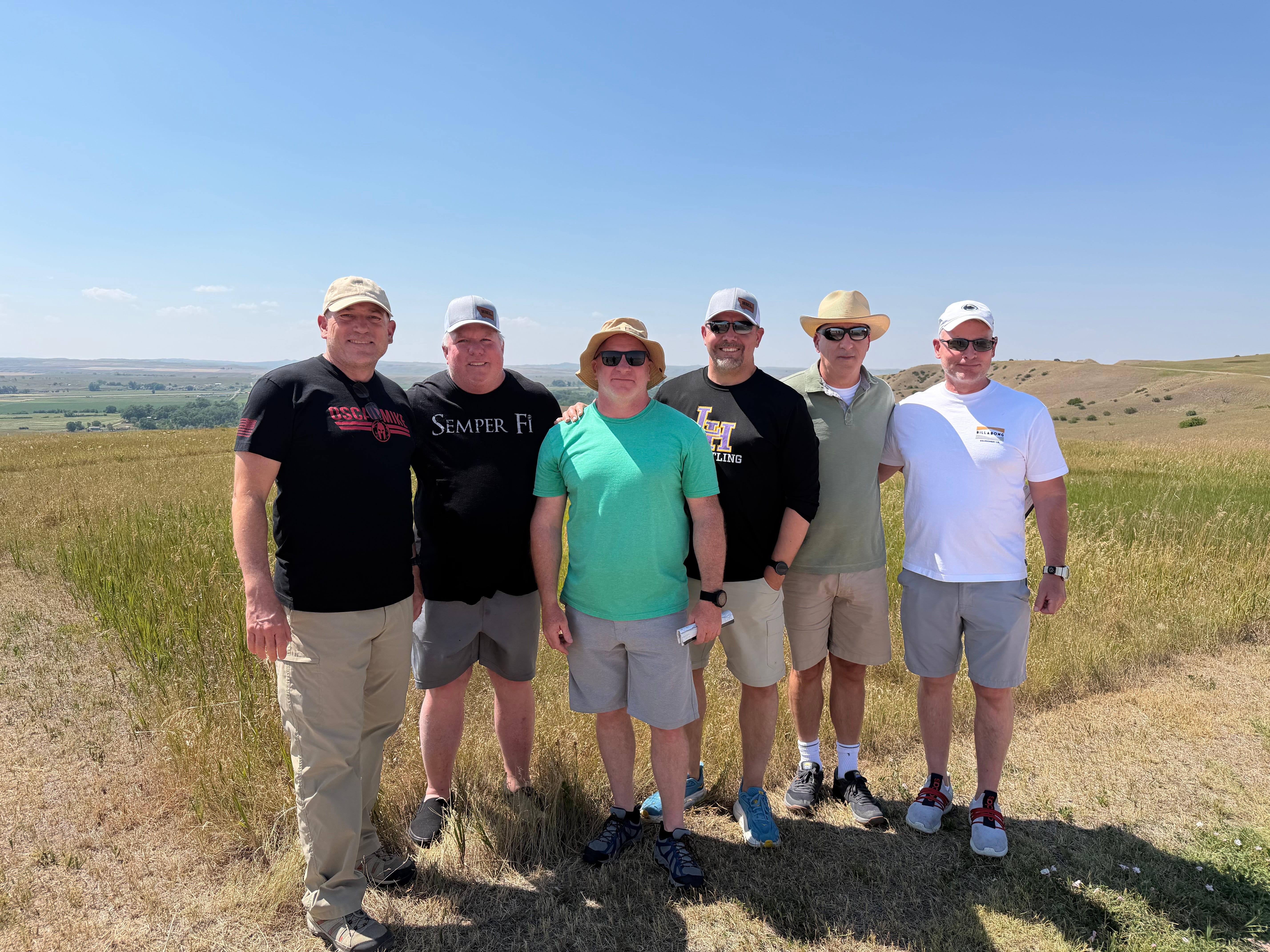
The first of two July Bar X Project retreats brought together six officers who served under Will Costantini in the 1st Light Armored Reconnaissance Battalion during the invasion of Iraq and in a subsequent 2004 deployment to Al Anbar Province. Four of the six retired as full-bird colonels; all had multiple combat tours. What distinguished this group from others I had seen was their sense of humor.
There are many reasons it becomes difficult to maintain a good sense of humor after years of combat. One is the set of responsibilities for infantry captains, majors, and lieutenant colonels in combat. They take battle plans from higher headquarters, break them down into missions, and assign specific tasks to the troops and enablers they command. When their troops carry out these orders, some are killed; there is no way around that. Yet they have no control over the ultimate outcome of a military campaign. They do not make the decisions that determine whether their combat losses are meaningful or meaningless.
Nobody can look at the absolute fiasco in Afghanistan and say the lives lost there were sacrificed to benefit anyone except the Taliban and other enemies of the United States. The twenty years spent replacing the Taliban with the Taliban left our country and its citizens less safe. It is true that many of the men who died in direct combat sacrificed themselves so their platoon mates would live. But the men and women lost to IEDs, indirect fire, Blue on Green attacks, and suicide bombers were sacrificed on the altar of arrogance, hubris, and stupidity among flag officers, politicians, USAID mandarins, and career Department of State bureaucrats.
Maybe historian and Sovietologist Robert Conquest’s third law of politics: “the behavior of any bureaucratic organization can best be understood by assuming that it is controlled by a secret cabal of its enemies” is the best explanation for Iraq and Afghanistan. But it wasn’t just the troops who were left holding the bag. The Company and Battalion commanders who topped out at full Colonel paid dearly for the privilege of leading their men into battle. You would think they’d be bitter; they weren’t awarded lucrative sinecures like those of the senior generals responsible for the debacle. And a few were bitter, but they acknowledged it without dwelling on it.
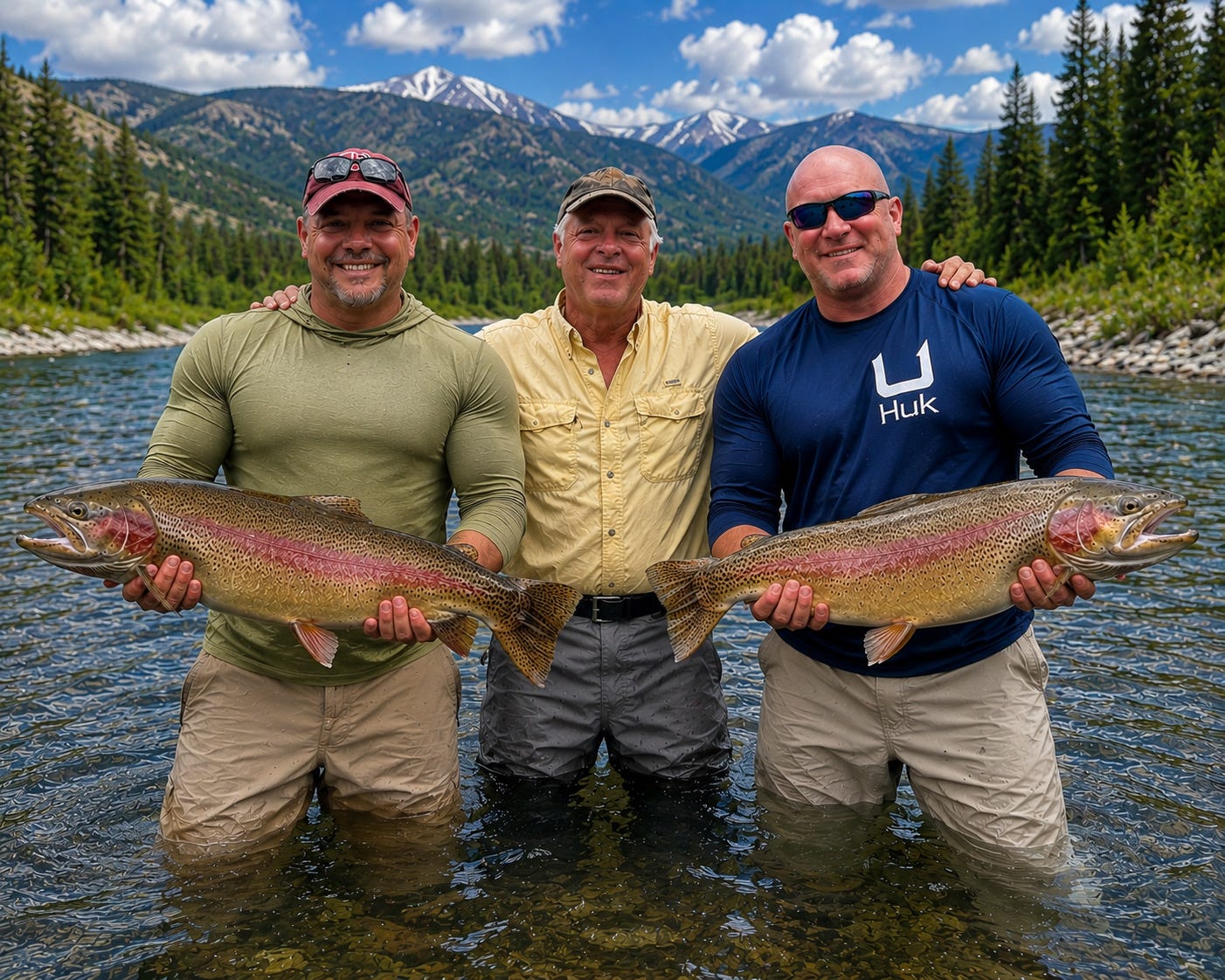
Yet their innate sense of humor remains as they carry on with their civilian careers. I know from talking with them that their re-entry into civilian life has had rocky patches. But the ascetic self-discipline found in all talented combat arms officers served them well. They knew how to set guardrails to protect themselves from overindulging in strong drink. The Post Traumatic Winning message that self-discipline is self-love is something these guys had already internalized.
It is important to note that not all officers fare better, and not all enlisted personnel struggle after combat deployments. Individual factors (prior trauma, personality, specific events, unit leadership quality, post-deployment support) matter greatly. Officers are typically college-educated (or equivalent), screened more rigorously for leadership potential, cognitive ability, motivation, self-esteem, and emotional maturity. This creates a group that already tends to have greater baseline resilience and fewer risk factors. That may explain why this all-officer retreat was distinctly different from the others I’ve coordinated through the Bar X Project program. Whatever the reason, the officers from the 1st LAR circa 2003-2004 were a great crew to hang out with.