
Ripples
Can anything positive come from losing a son in Afghanistan?

Almost 20 years ago, the Marines from Bravo Company of the 4th Light Armored Reconnaissance Battalion (LAR) were sent to the far southern reaches of Helmand Province to interdict Taliban supply lines running out of Pakistan. The undermanned 4th LAR Battalion was dispersed, and Bravo Company was assigned a vast area of operations centered on the Khanishin District Center. They were based at Combat Outpost Payne (named for a fallen Marine) and at a 200-year-old baked-brick castle called Khan Neshin.
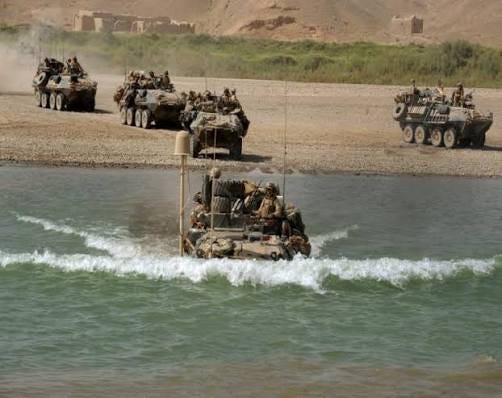
The core vehicle of the Marine Corps LAR is the LAV-25 (Light Armored Vehicle-25), an 8×8 wheeled, amphibious armored reconnaissance vehicle. Its primary weapon is a stabilized M242 Bushmaster 25 mm chain gun; it also has a coaxial 7.62 mm M240 machine gun and a pintle-mounted 7.62 mm M240 at the commander’s station.
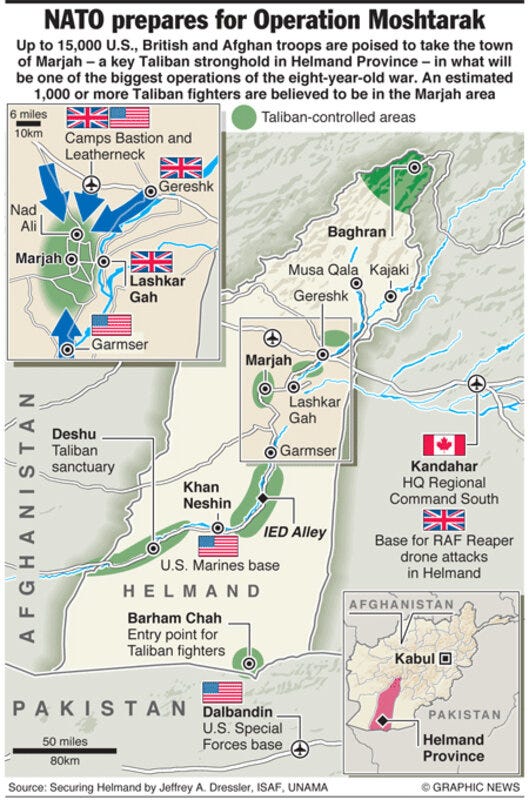
In the open desert of southern Helmand Province, the LAV 25 was the perfect vehicle for mobile reconnaissance and interdiction of Taliban supply/smuggling routes from Pakistan. But Armored Reconnaissance Marines were not the optimal choice to provide security for local populations and Afghan forces. Nor to conduct counterinsurgency missions in a remote, sparsely populated desert of the Dasht-e Margo (Desert of Death). Firepower and mobility are not a substitute for manpower.
A Marine Corps LAV Platoon has four LAV-25 vehicles. Each contains a driver, vehicle commander, and gunner with three scouts stuffed into the rear compartment. That’s 24 men plus a Navy corpsman. That is less than half the manpower found in a Marine Corps rifle platoon.
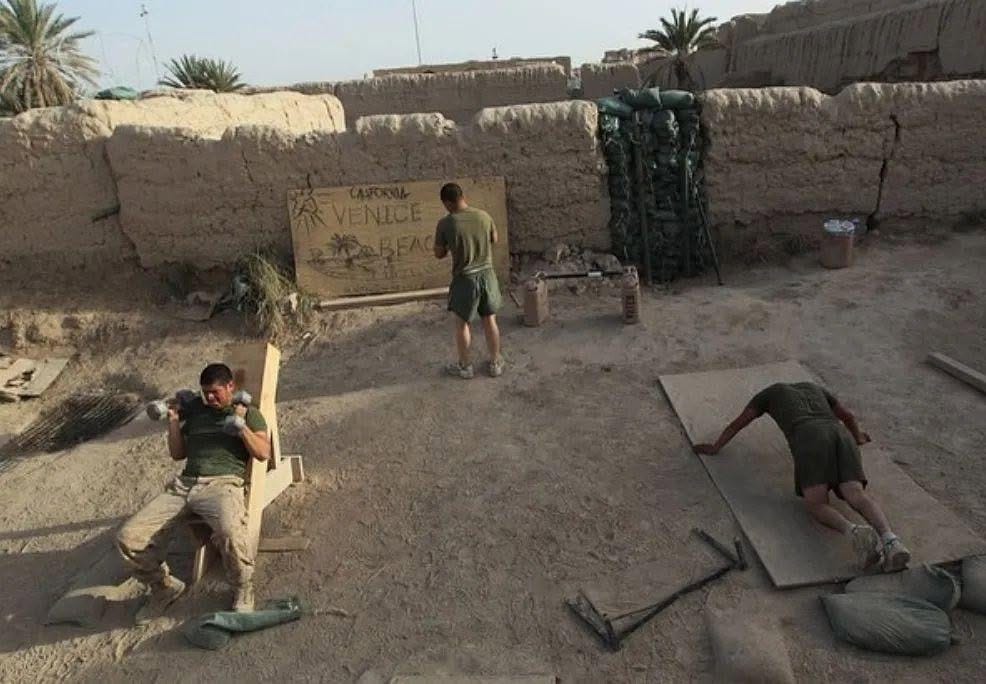
There were no infantry battalions that far south, but Bravo Company did receive support from a platoon of Force Reconnaissance Marines when sent to clear the Taliban from known strongholds. In late January 2010, 3rd Platoon, Bravo Company, 4th LAR was sent to support a Force Reconnaissance platoon as they cleared the bazaar in a dusty, sparsely populated town of Taghaz. The 3rd Platoon of Bravo was well suited to supporting a raid on a Taliban logistics hub like the Taghaz Bazaar, but not for the mission of holding it.
On the morning of January 23, 2010, the 3rd platoon was trying to establish a perimeter around a couple of the buildings they had occupied after being ordered to remain in place. Someone from on high thought it was a great idea to open the bazaar for the local villagers, but they failed to send the support needed for the change of mission. The 3rd platoon asked for sandbags, concertina wire, and more troops. They received none of these, so they built their own barriers using old wheat bags and wire.
The Taliban wasted little time exploiting the vulnerabilities of the Marine position. They sent a suicide bomber toward the flimsy barricade, where he detonated his vest as Marines approached. The resulting blast killed a Marine and a Navy Corpsman and badly wounded several others. One of them, Sergeant David Smith, was removed from life support and died three days later in Landstuhl, Germany.
The 4th LAR was a reserve unit headquartered at Camp Pendleton. Bravo Company was based at Fort Detrick, Maryland. Most of the reservists lived in Maryland, so it was not unusual that when Sergeant Smith’s mother, Mary Jane McWilliams, arrived in Landstuhl, she knew many of the badly wounded Marines who had been evacuated with her son. After her son was removed from life support, she remained in Germany to care for her son’s platoon mates until they were evacuated to Walter Reed Hospital.
David Smith was born and raised in Frederick, Maryland. He was part of a large extended family and remembered for his keen sense of humor and infectious laugh. He was also a highly regarded, popular, and efficient noncommissioned officer. His loss was a devastating blow to family and friends alike. Mary Jane McWilliams acted quickly to ensure her son’s sacrifice would be honored.
In 2011, Mary Jane started the Sgt. David J. Smith Memorial Fund and hosted the first Sgt. David James Smith Golf Tournament. The memorial fund has distributed over $510,000 to Frederick County veterans and awards an annual scholarship to the most deserving graduate of Frederick High School.
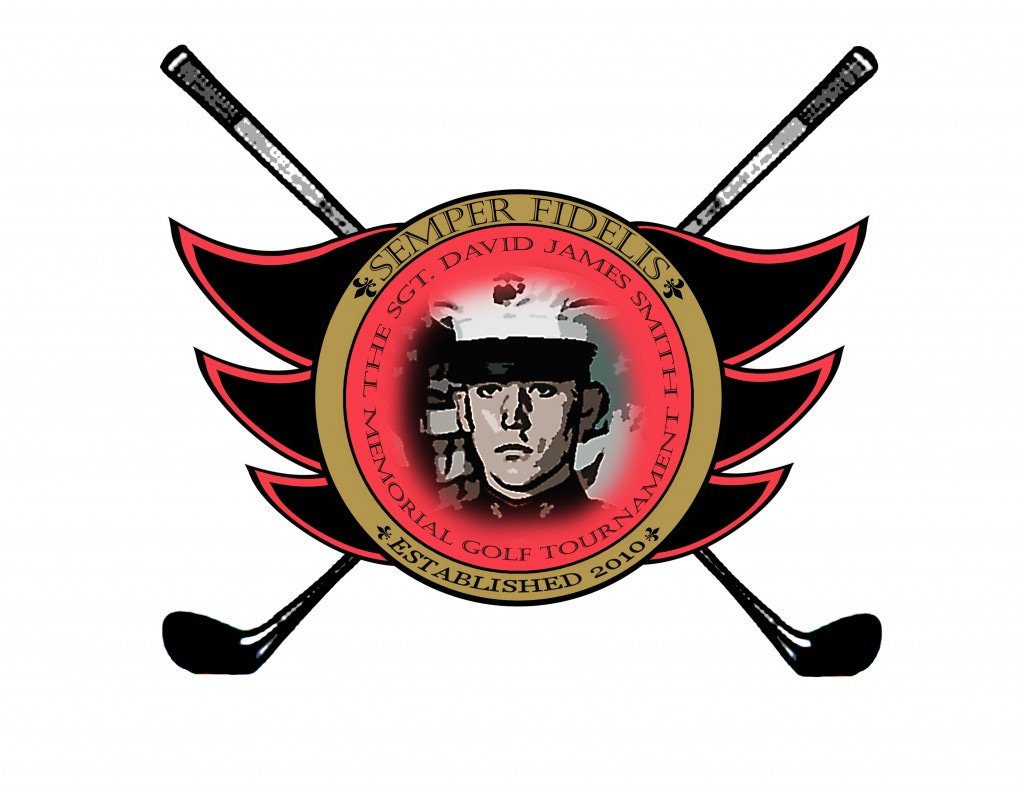
The Golf Tournament has served as a gathering point for Bravo Company Marines who served with Sgt Smith. Most of them have attended at least one of the events over the past 17 years. That was Mary Jane’s gift to the men who served with her son. This year, they returned the favor by inviting her to a Bar X Project retreat in Nye, Montana.
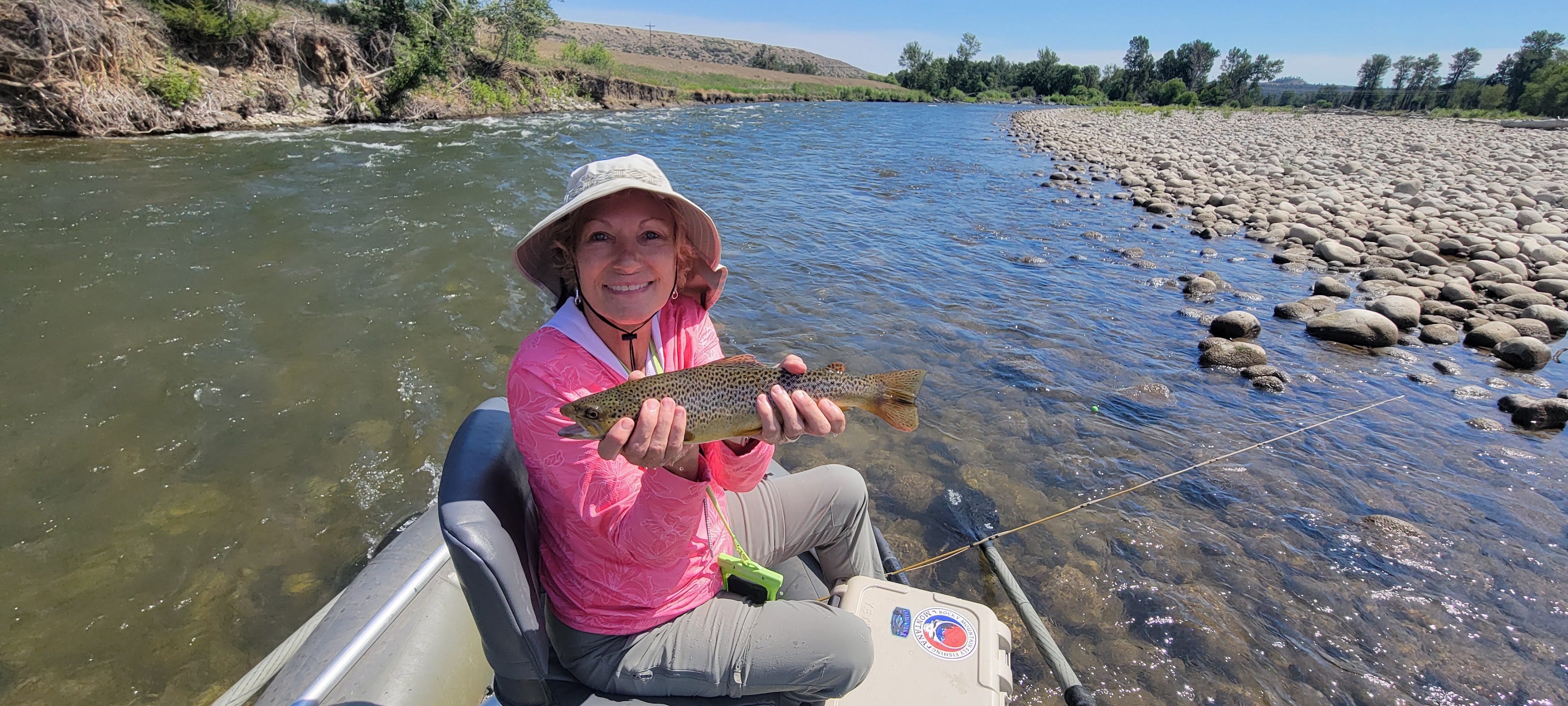
Mary Jane joined seven veterans from her son’s platoon for a week of fly fishing, trail rides, and fantastic meals at the beautiful Two Rivers Lodge. Three of them were Marines she had tended in Landstuhl and had visited at Walter Reed. They came from Honolulu, Boston, Virginia, and Maryland.
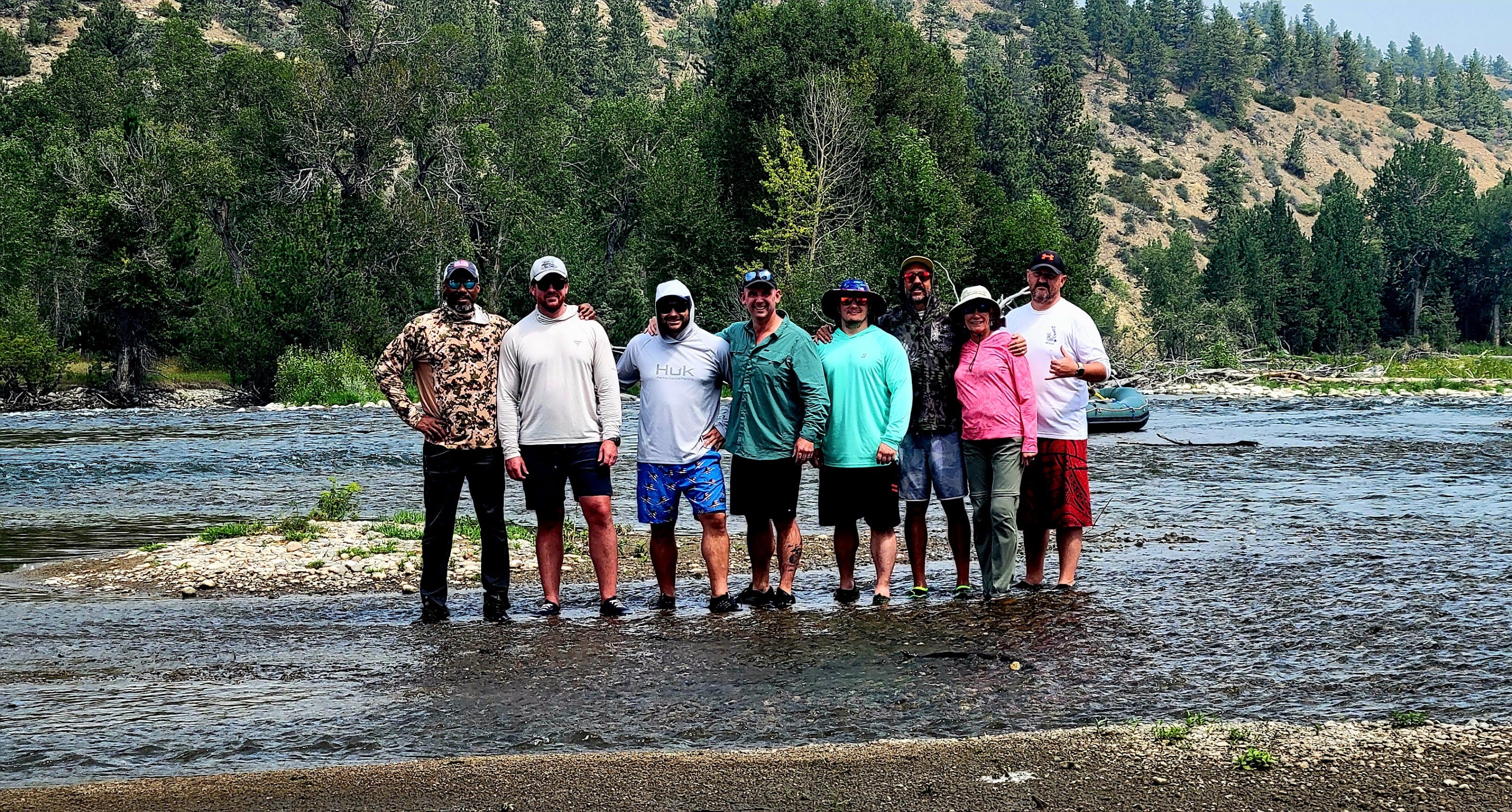
The Bar X Project has offered these all-expense-paid Montana retreats for 15 years, but this was the first time we hosted a Gold Star Mother. The trip was organized by Rob Kroes, who commanded the 3rd platoon, and by his platoon sergeant, Marcus Lasley. Rob couldn’t make it due to family commitments, so Marcus, who lives near Mary Jane, stepped in as trip leader and escorted her on the flight to Billings.
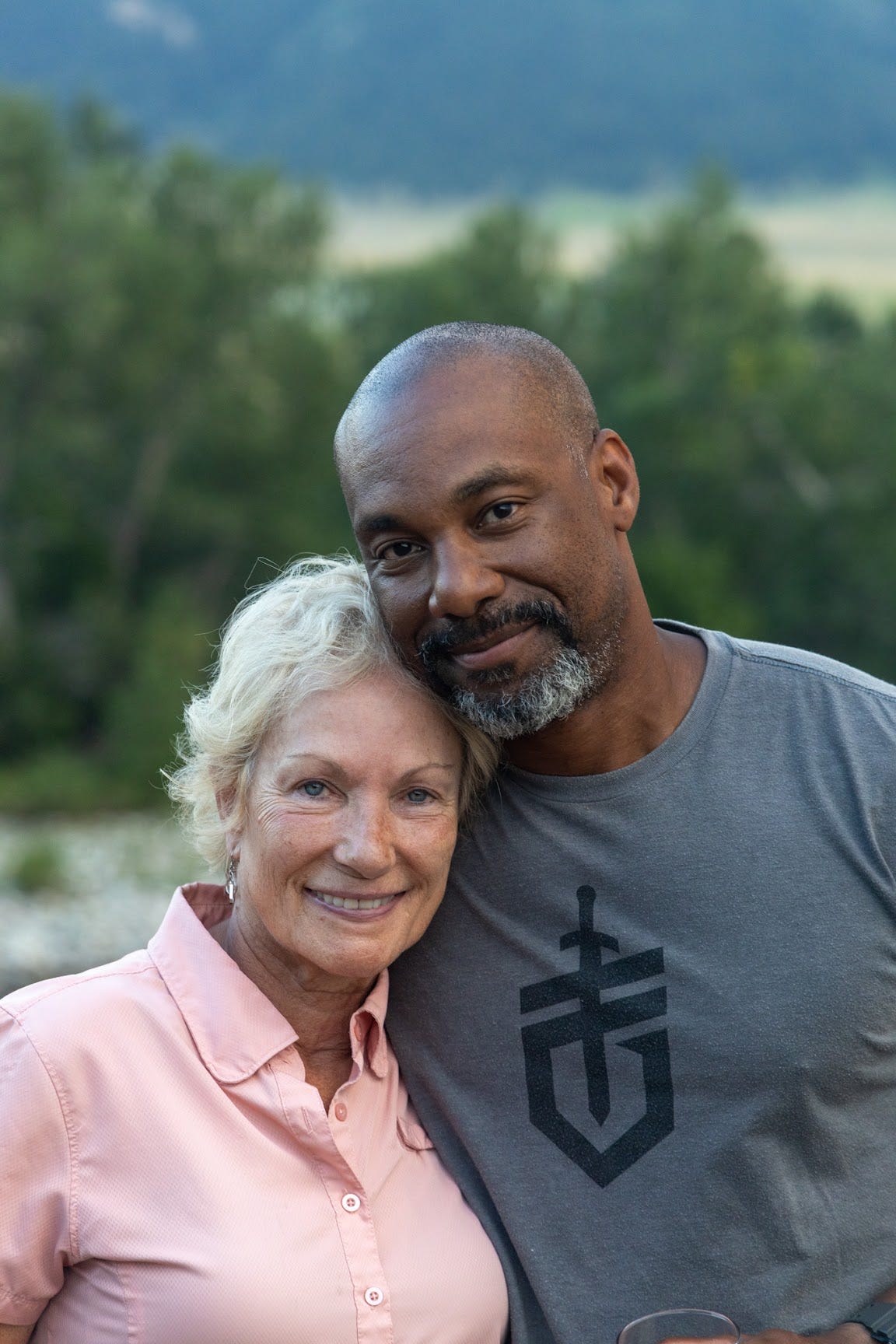
Over the years, Marcus had asked Mary Jane on several occasions if she wanted to hear the details of what happened the day her son was mortally wounded. Each time, she thanked him but said she wasn’t ready to listen to that story. On the third evening, after another splendid meal prepared by our volunteer chefs, Neil Clark and Matt Conrad, Mary Jane looked over at Marcus and said she was ready to hear about the day she lost her son. The support staff excused themselves, and the Marines explained exactly what happened. There were many tears, but it may well be one of the most beautiful things I’ve seen in Montana.
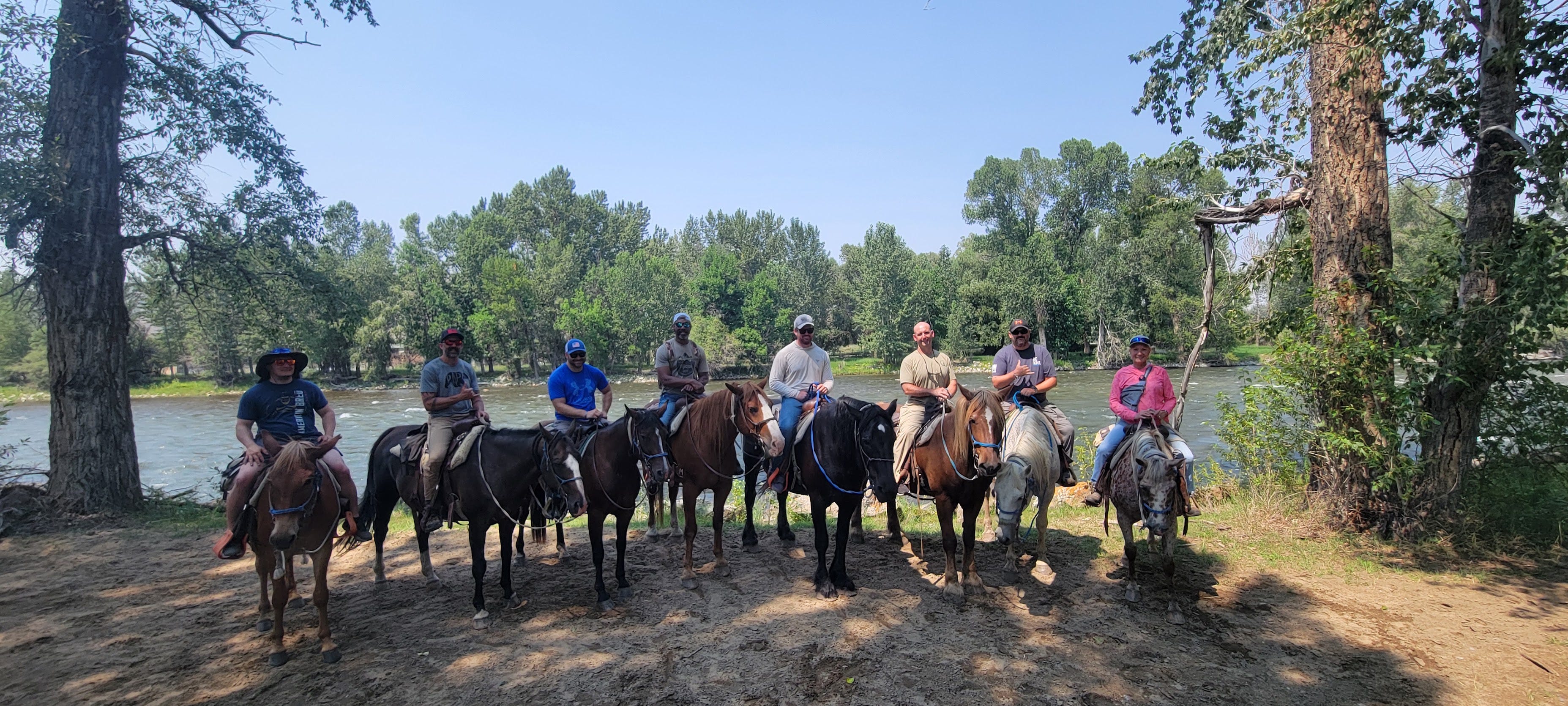
Chris Hare, the creator of Atomic Storytelling, was on hand to give the group a class on strategic narratives, and this is what Mary Jane told him after that evening:
“I feel like a crushing weight has been lifted off my shoulders. I can finally breathe again. I thought the memorial golf tournament I’ve been running for years had run its course. Through their stories, I realized how much of an impact I am having,
and I realized I can keep doing this till the day I die.”
The ripple effect from the tragic loss of Sgt David Smith has resulted in some good things that have benefited people he never knew. A fitting tribute to a good man lost in a senseless war.
Out of a complete mess, a small strong cohort make order from chaos. It shows how fetid the command structures was and remains on all levels civilian and military. It shows how resilient and adaptable Marines and their families nuclear or otherwise remain. Ripples…indeed more like emotional tsunami’s rolling over the bereaved, who decide to live on and live on well. We few, we happy few…great and very important post. Thanks for posting it..
I’ll never forget the carnage and conditions that the BA and US forces had to endure in RC South. The amount of resources we poured into trying to get that dam working. Thanks for sharing his story Tim.